




Start Your Journey
Contact PRISMS
About SMS

WHAT IS
SMS
UNDERSTANDING SMS
What is Smith-Magenis Syndrome?
Smith-Magenis syndrome (SMS) is a rare neurobehavioral disorder characterized by a recognizable pattern of physical, behavioral, and developmental features. SMS is caused by a deletion or mutation of genetic material on chromosomal region 17p11.2, which contains the RAI1 gene.
What is the Incidence of Smith-Magenis Syndrome?
SMS occurs in between 1 out of every 15,000 to 25,000 births. Although the number of individuals diagnosed with SMS has increased in recent years due to better diagnostic tools, the syndrome likely remains under diagnosed. PRISMS has a Patient Registry that allows us to continue learning about this rare condition, helping researchers, clinicians, and parents better address the challenges of SMS.


How is Smith-Magenis Syndrome Diagnosed?
The diagnosis of Smith-Magenis syndrome (SMS) is typically confirmed through genetic testing of a blood or buccal (cheek swab) sample. Testing may include chromosomal microarray analysis (CMA/CGH), whole exome/genome sequencing (WES/WGS), and less routinely, FISH (fluorescence in situ hybridization). These tests can identify the characteristic 17p11.2 deletion or DNA changes, (pathogenic variants) in the RAI1 gene associated with SMS. Once a diagnosis is confirmed, caregivers and physicians can utilize the PRISMS Medical Management Guidelines to provide appropriate care. The PRISMS Clinic and Research Consortium (PCRC) includes nine SMS Clinics nationwide, providing specialized care for individuals with SMS.
WORK THAT CHANGES LIVES
What Treatment is Available?
There are no medications that can cure Smith-Magenis syndrome or eliminate the core symptoms. However, there are medications that can help people with Smith-Magenis syndrome lead healthier lives. For example, medication might help manage behavioral challenges, sleep difficulties, gastrointestinal issues, inability to focus, or seizures.

TREATMENT FOR
SMS

How Can I Receive Support?
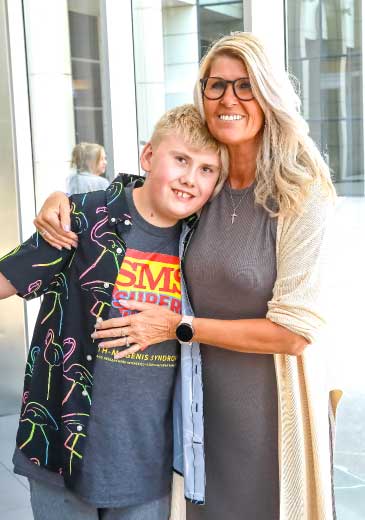
Join our community for support and connection. Here, you’ll find a welcoming space to ask questions, receive encouragement, and connect with other families who understand your journey. Once you join the community, we will connect you with a Regional Representative. The Regional Representatives are SMS caregiver volunteers who share resources and information, offer support, and serve as an additional connection to PRISMS and our many programs and services.
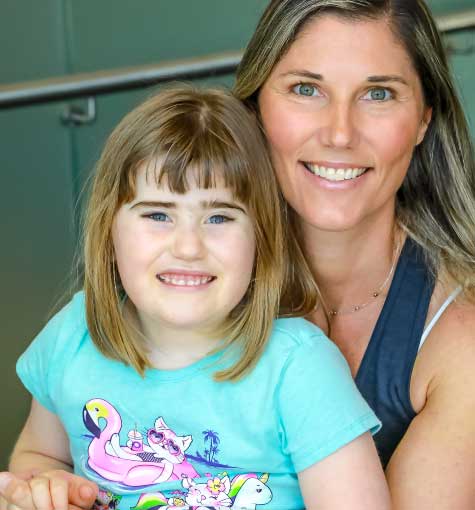
“PRISMS has been an amazing support organization for my family. The many resources provided by PRISMS have been an enormous help for navigating life with Smith-Magenis Syndrome. I am very grateful to be connected with parents who truly understand what life is like with SMS. PRISMS has had an enormous impact on our family’s SMS journey.”
– Allison, mom to Natalie
Our Impact
For over 30 years, PRISMS has been working to support individuals and families affected by Smith-Magenis syndrome, providing critical support and information for the everyday management of SMS. Your donation helps us continue our mission.
News and Upcoming Events
PRISMS IS DEDICATED TO PROVIDING INFORMATION AND SUPPORT TO FAMILIES OF PERSONS WITH SMITH-MAGENIS SYNDROME (SMS).
Welcome to PRISMS
PARENTS AND RESEARCHERS INTERESTED IN SMITH-MAGENIS SYNDROME
Whether your child has been newly diagnosed with Smith-Magenis syndrome (SMS), you support a loved one, work professionally with individuals with SMS, or are exploring our rare community, welcome.
You’ve found a place where understanding, support, and shared experiences come together. Our community stands beside individuals and families impacted by SMS—offering guidance, connection, and hope as we navigate the unique challenges of this journey together.
You are not alone. Here, you’ll find a place of understanding, encouragement, and hope.
NEWLY DIAGNOSED
WHAT YOU SHOULD KNOW →

RESEARCHERS
RESEARCH AT PRISMS →

SUPPORTERS
GET INVOLVED →

EDUCATORS
LEARN MORE →
Our Advocacy Partners