
SMS Research Symposium
PRISMS 2025 12th SMS Research Symposium
September 25 – 26, 2025
THE ONLY EVENT OF ITS KIND FOCUSED ON CURRENT RESEARCH RELATED TO SMITH-MAGENIS SYNDROME
Thanks to All Who Attended Our 12th SMS Research Symposium!
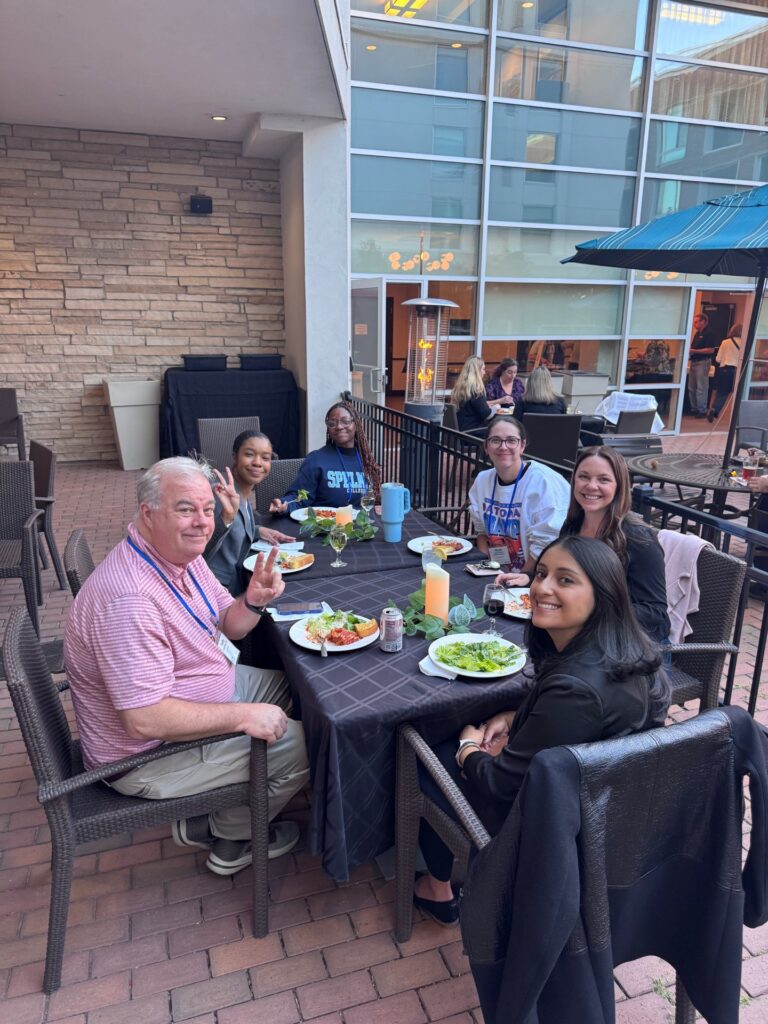
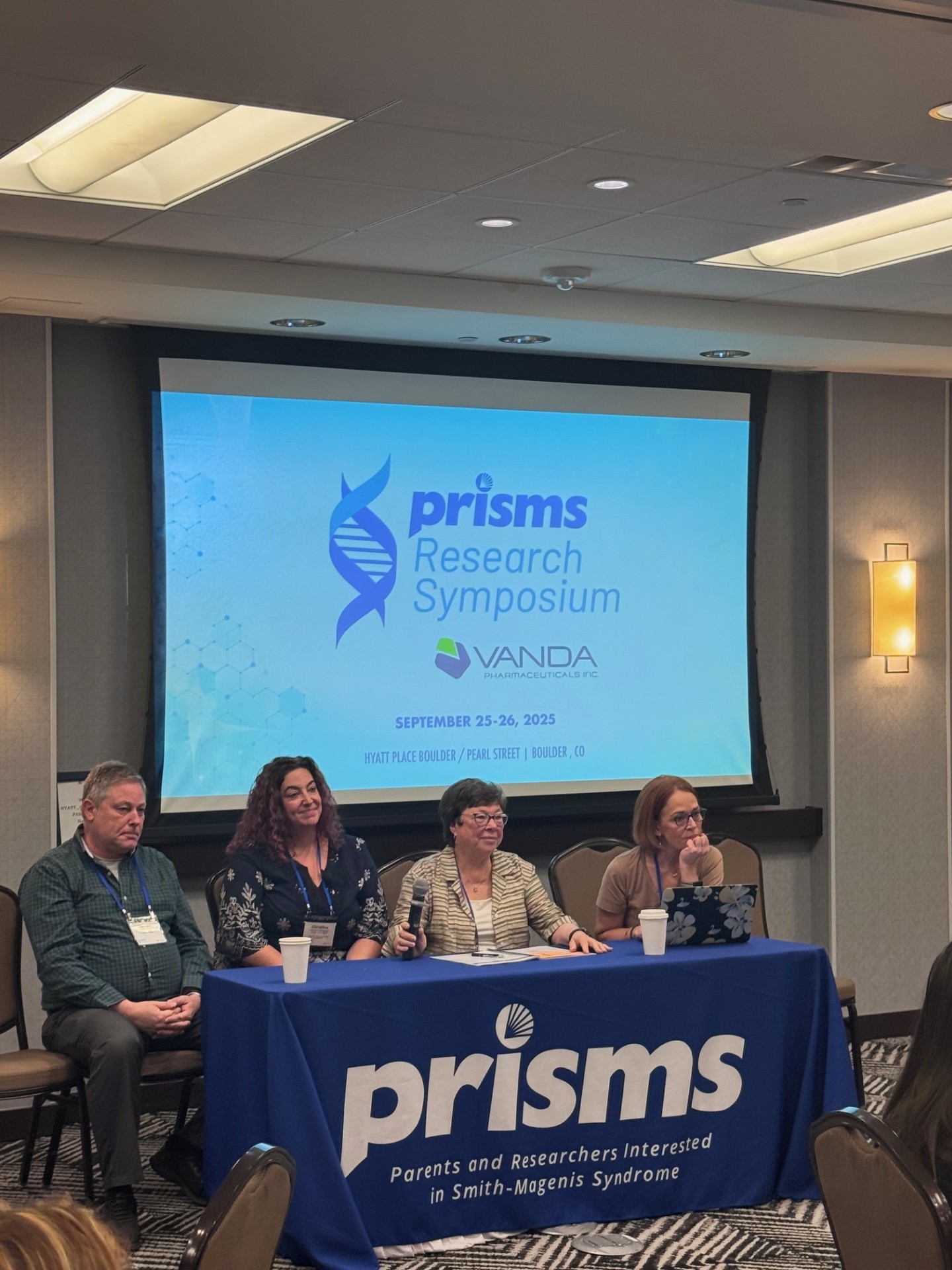
PRISMS convened the 12th Smith-Magenis Syndrome Research Symposium in Boulder, CO, on September 25th – 26th, 2025. The backdrop of the Rocky Mountains provided an inspirational landscape for thought-provoking discussions and the exchange of new ideas in Smith-Magenis syndrome research. The PRISMS symposium was a hybrid event which hosted researchers from around the globe and enabled engagement from both in-person and virtual attendees.
One of the symposium’s goals is to further research by building productive collaborations—including cross-disciplinary dialogue, partnerships, and the integration of researchers new to SMS who have an interest in specific facets of the syndrome. Many successful SMS research collaborations have originated from past research symposiums, and PRISMS’ investment in junior researchers has helped cultivate the next generation of scientific leaders in the field. Our investment in the next generation of researchers and clinicians supports the PRISMS’ mission of “fostering and sponsoring research.”

Goals of the 12th SMS Research Symposium:
- Create open communication of early, unpublished scientific data accelerating the pace of research
- Further research by building productive collaborations—including cross-disciplinary dialogue, partnerships, integration of researchers new to SMS but with interest in specific facets of the syndrome
- Provide educational opportunities for junior researchers to acknowledge Smith-Magenis Syndrome and the array of research potential in the field
- Capture information on current and active research initiatives related to Smith-Magenis Syndrome for public awareness and education
Promoting the Future of SMS Research
One of the symposium’s goals is to further research by building productive collaborations—including cross-disciplinary dialogue, partnerships, and the integration of researchers new to SMS who have an interest in specific facets of the syndrome. Many successful SMS research collaborations have originated from past research symposiums, and PRISMS’ investment in junior researchers has helped cultivate the next generation of scientific leaders in the field. Our investment in the next generation of researchers and clinicians supports the PRISMS’ mission of “fostering and sponsoring research.”
SMS RESEARCH SYMPOSIUM
Graduate Student Scholarships
Travel scholarships were awarded to
selected attendees to support participation by emerging researchers.
RESEARCH SYMPOSIUM
SMS
SMS RESEARCH SYMPOSIUM
Call for Abstracts
In response to a “Call for Abstracts” (research summaries), researchers from multiple disciplines submitted abstracts that were evaluated according to stringent criteria and reviewed by the PRISMS Professional Advisory Board. Accepted abstracts were presented at the PRISMS Research Symposium. Travel scholarships were awarded to selected attendees to support participation by emerging researchers.
Symposium presenters represented academia and institutes from:
- Ann and Robert Lurie Children’s Hospital of Chicago
- Baylor College of Medicine
- Children’s National Medical Center
- Cincinnati Children’s Hospital
- Fondazione IRCCS Casa Sollievo Della Sofferenza, San Giovanni Rotondo, Italy
- Geisinger ADMI
- Governor Kremers Centre, Maastricht University, the Netherlands
- Lurie Center for Autism, Massachusetts General Hospital
- McGill University
- Michigan State University
- National Institutes of Health
- Northwestern University, Feinberg School of Medicine
- Office of the Clinical Director, National Human Genome Research Institute, Rice University
- St. Jude’s Children’s Research Hospital
- St. Louis Children’s Hospital 7 Washington University School of Medicine
- Texas Children’s Hospital
- University of Colorado – Boulder
- University of Florida
- University of North Carolina, Chapel Hill
- University of Michigan Medical School
- University of Minnesota
- Williams College
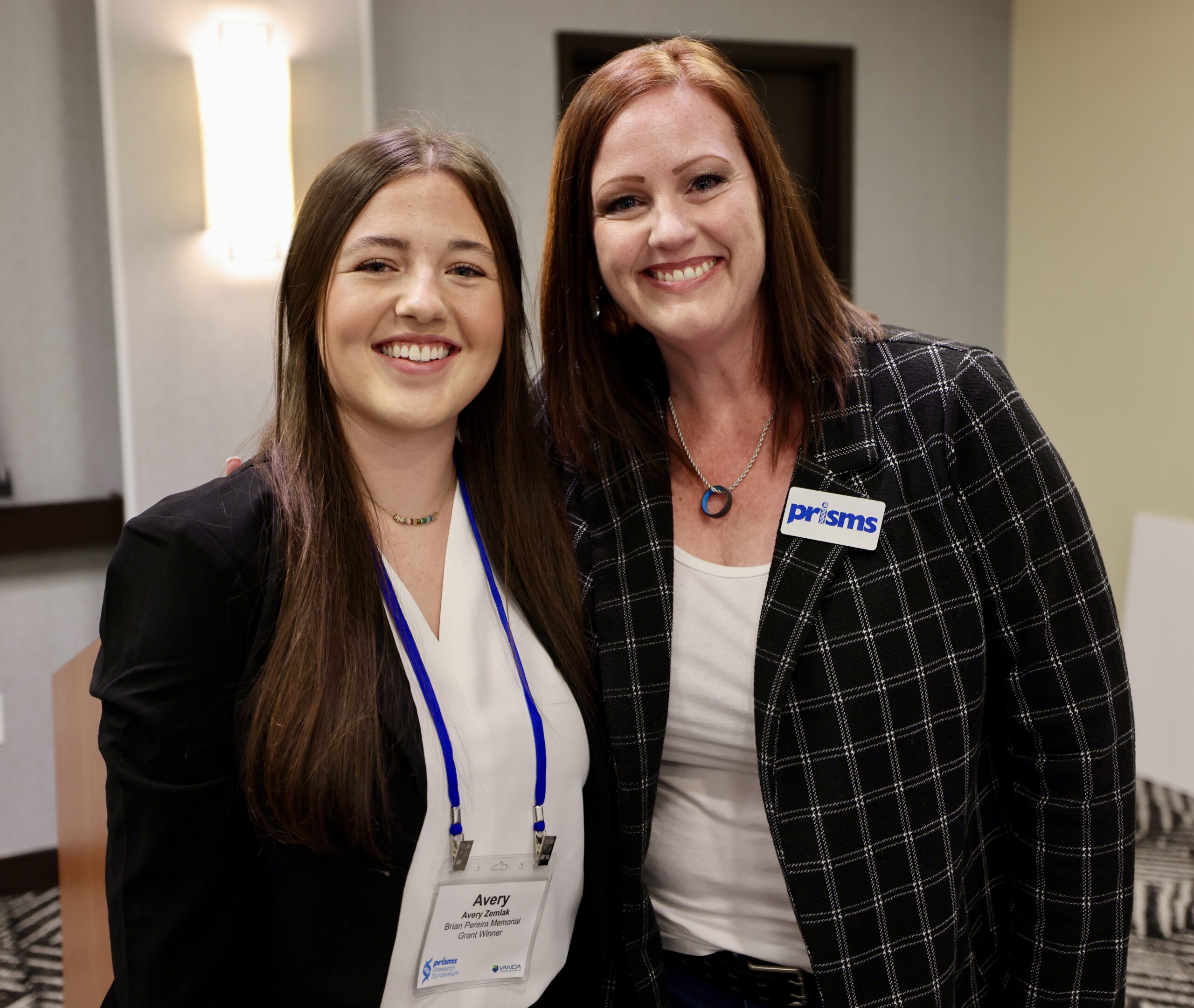
The presenters represented a diverse landscape of SMS research from basic science to clinical research and practice. Abstract presentations included both oral and poster presentations. Three of our four PRISMS Summer Scholars were in attendance to present their final results of their summer project. Attendees devoted meaningful time to engaging in scientific discussions and building connections with fellow participants.
We look forward to the emergence of new research collaborations inspired by the PRISMS Research Symposium and we are grateful to our dedicated researchers for their continued work and their commitment to the SMS community.
We extend our heartfelt thanks to Vanda Pharmaceuticals for sponsoring the Research Symposium and for their many years of steadfast partnership and support of PRISMS. We are grateful for their continued support and generosity.
Abstracts from the Symposium
- Self-injurious behavior in individuals with intellectual and developmental disabilities: An interdisciplinary family systems review
- Developing a diurnal rodent model of Smith-Magenis Syndrome
- Smith Magenis Syndrome and Behavior Analysis: A Review of Previous Literature and Future Directions
- In-Depth Language Profiling of an Adult with Smith-Magenis Syndrome: Insights from Standardized Testing and Narrative Sampling
- Understanding the Communication Phenotype of Smith-Magenis Syndrome: Findings from Patient Registry Researcha
- Making a case for the single case: implications of single case designs in SMS research, assessment, and intervention
- Quantitative EEG biomarker development for Angelman syndrome and applications for Smith-Magenis syndrome
- Melatonin levels in 89 individuals with Smith-Magenis syndrome
- Implementation of Screening Guidelines for Birt-Hogg-Dubé Syndrome Among Smith-Magenis Syndrome Registry Participants: A Caregiver Survey
- Remote assessment of activity and sleep in Smith-Magenis syndrome (ReAActS – SMS)
- Neurogenesis in Smith-Magenis Syndrome: When Brain Development and Lipid Metabolism Go Awry
- The roles of RAI1 in the neoteny of human neurodevelopmental gene expression program
- Understanding and Supporting Siblings of Individuals with Smith-Magenis Syndrome: Insights for Healthcare Professionals
- Distinct Phenotypic Signatures in RAI1-Related Disorders: A Comparative Retrospective Study of Smith-Magenis and Potocki-Lupski Syndromes
- Pharmacological Review of Neurobehavioral Issues in Smith-Magenis Syndrome
- Empowering Through Structured Boundaries An Integral Model for Fostering Balanced Eating and Nutritional Well-Being
- Investigating Food-related behaviors in Smith-Magenis syndrome: The development and validation of tailored questionnaire
- Metabolic and Behavioral Drivers of Obesity in an Rai1 +/- Mouse Model of Smith- Magenis Syndrome
- Understanding the Molecular Etiology of Smith-Magenis syndrome using human stem cell models
Self-injurious behavior in individuals with intellectual and developmental disabilities: An interdisciplinary family systems review
Authors: Caroline Roberts, PhD & Frank Symons, PhD
Affiliations: University of Minnesota, Institute on Community Integration and Department of Educational Psychology
Self-injurious behavior affects the whole family. Self-injury is conceptualized differently when someone does or does not have an intellectual or developmental disability. This paper combines research on how self-injury affects families across people with and
without intellectual and developmental disabilities.
Developing a diurnal rodent model of Smith-Magenis Syndrome
Authors: Jamie Shi1, Nolan Lucera1, Amy Liu1,2, Viola Webber1,2, Katrina Linning- Duffy1, Bo Zhou3,4, Shigeki Iwase3,4, Lily Yan1,2
Affiliations: Department of Psychology1, Neuroscience Program2, Michigan State University, East Lansing, MI; Department of Human Genetics3, Department of Pediatrics4, University of Michigan Medical School, Ann Arbor, MI
We have developed a diurnal rodent model of SMS using Nile grass rats, which show similar behavioral and physiological phenotype as seen in SMS patients. In contrast to the commonly used mouse models that are nocturnal, i.e., sleep mostly during the day and active at night, grass rats sleep mostly at night like humans. In addition to the opposite daily rhythm in behavior and physiology, there are striking differences between nocturnal and diurnal species in their responses to light and to melatonin. For instance, light promotes sleep in nocturnal species but wakefulness in diurnal ones. Melatonin, a key modulator of both sleep and neurodevelopment, promotes sleep in diurnal species, but has no such effect in nocturnal ones. Furthermore, the inbreed mice used in SMS research are melatonin deficient. Therefore, a diurnal model with intact melatonin secretion will help better understand the role of Rai1 in SMS, which may better translate to humans. The diurnal grass rat model of SMS will contribute to future studies elucidating the neuropathology caused by Rai1 haploinsufficiency, and more importantly to the development of novel therapeutic strategies for SMS.
Smith Magenis Syndrome and Behavior Analysis: A Review of Previous Literature
and Future Directions
Authors: Arielle R. Marshall, Kacie M. McGarry, Kerri P. Peters, Timothy R. Vollmer
Affiliations: University of Florida
Smith-Magenis Syndrome is a rare genetic disorder that has a range of behavioral challenges like self-injury, as well as physiological symptoms like sleep disturbances. Behavior analysis is a discipline that uses data collection and direct observation methods to improve challenging behavior. Behavior analysis has been widely used to support individuals with autism but is less commonly applied to individuals with SMS. This review summarizes existing research to address these symptoms in SMS, highlight gaps in the literature, and suggests future directions to use behavior analytic approaches to support people with SMS and their families.
In-Depth Language Profiling of an Adult with Smith-Magenis Syndrome: Insights from Standardized Testing and Narrative Sampling
Authors: Leah Schmitt, Frances Farrell, & Christine Brennan
Affiliation: University of Colorado Boulder
Smith-Magenis Syndrome (SMS) is a rare genetic condition that can affect a person’s ability to hear, talk, learn, and remember information. People with SMS often have different strengths and challenges when it comes to communication, and no two individuals are exactly alike. While past research has looked at patterns across larger groups of people with SMS, this study focused on just one adult with SMS who has the most common form, a deletion on chromosome 17. The goal was to take a closer look at how he understands and uses language in everyday life.
To do this, the researcher used both standardized tests and a natural language sample, meaning they recorded him telling a story in his own words. The tests measured vocabulary, memory, understanding of stories, and how well he could use and repeat sentences. Results showed that he did better on tasks that were more concrete or based on pictures and stories, and had more difficulty with tasks that required more abstract thinking or repeating long sentences. The language sample revealed some challenges with sentence structure, grammar, verb tense, and vocabulary variety, but he formulated simple sentences with errors.
Understanding the Communication Phenotype of Smith-Magenis Syndrome: Findings from Patient Registry Research
Author: Christine Brennan
Affiliations: University of Colorado Boulder
Smith-Magenis Syndrome (SMS) is a rare genetic condition that can affect many areas of development, especially hearing and communication. Most people with SMS have a small missing piece of chromosome 17, while others have a change (variant) in a specific gene in that region called RAI1. Children and adults with SMS show a wide range of speech, language, and reading abilities, but we still don’t fully understand why these differences occur. To help answer this question, we analyzed data from the International SMS Patient Registry to look closely at how hearing, communication, and literacy develop in people with SMS.
The first study looked at 82 individuals with SMS. It found that while speech and language are often delayed, most children began talking by age 6. About 60% of subjects communicated using speech, 79% began speaking words at/after 24 months of age, 92% combined words at/after 36 months, and 41% used sign language before speech. Children who had pressure equalization (PE) tubes placed earlier tended to start speaking earlier as well. Communication strengths noted in more than 40% of subjects included social interest, humor, and memory for people, past events, and/or facts. These results confirmed significant delays and impairment in speech-language for those with SMS.
The second study compared 23 people with the common genetic deletion to 10 people with the RAI1 variant. While there was notable overlap between the groups, those with the RAI1 variant tended to start speaking earlier, were more likely to use speech to communicate, and were more likely to have reading and writing skills. This supports the idea that the RAI1 gene plays a key role in speech and language development.
The third study focused on reading and writing in 53 individuals with SMS. About one- third had some reading and writing abilities. Children and adults who used natural speech were more likely to be literate, while those who did not use speech were much
less likely to read or write. Age and educational level did not seem to affect these outcomes.
Together, these studies help us better understand the wide range of communication and literacy skills in SMS. They also highlight the importance of early hearing support and the need to focus more attention on supporting literacy, especially for individuals who do not use speech. These findings can help guide future research and improve support for individuals with SMS and their families.
Making a case for the single case: implications of single case designs in SMS research, assessment, and intervention
Authors: Timothy R. Vollmer, Kerri P. Peters, Kacie M. McGarry, Takahiro Soda, Janae A. Pendergrass, and Arielle R. Marshall
Affiliations: University of Florida
Single-case designs involve showing repeated measures of an individual’s behavior. These designs are used to evaluate whether an intervention (such as a behavior plan, a new medication) are effective or ineffective. The presenters will make a case that such designs are especially useful for rare genetic disorders, like Smith- Magenis Syndrome (SMS). Usually, the designs involve observations during a period when an intervention is not in place (i.e., baseline) and then when the intervention is in place. The idea is to see if changes occur directly in response to the intervention. Collectively, this team of researchers has used single-case designs for many years, but mostly in the areas of autism and intellectual disabilities. Now, the team has joined to evaluate intervention efficacy and to conduct behavioral assessments specifically in the area of SMS. The presenters will conclude by showing single-case evaluations of new clients (2025) within their PRISMS research consortium site in Gainesville, Florida.
Quantitative EEG biomarker development for Angelman syndrome and applications for Smith-Magenis syndrome
Authors: Michael S. Sidorov1, Andrea L. Gropman2, Zheng Fan3, Ann C. M. Smith4
Affiliations: 1Center for Neuroscience Research, Children’s National Medical Center, Washington, DC 2Center for Experimental Neurotherapeutics, St. Jude Children’s Research Hospital, Memphis, TN. 3Department of Neurology, University of North Carolina, Chapel Hill, NC. 4Office of the Clinical Director, National Human Genome Research Institute, NIH, Bethesda, MD.
Our prior work demonstrated that low-frequency (“delta”) brain oscillations are abnormal in Angelman syndrome, a neurodevelopmental disorder that shares several features with Smith-Magenis syndrome. We will tell the story of how we quantified brain oscillations in children with Angelman syndrome using electroencephalography (EEG) and how EEGs are now being used in ongoing clinical trials testing treatments for Angelman syndrome. Finally, we will describe plans to analyze Smith-Magenis EEGs using methods developed and lessons learned working in Angelman syndrome.
Melatonin levels in 89 individuals with Smith-Magenis syndrome
Authors: Wiebe Braam and Ann CM Smith
Affiliations: 1. 1. Governor Kremers Centre, Maastricht University, the Netherlands and 2. Office of the Clinical Director, National Human Genome Research Institute, National Institutes of Health, Bethesda, 20892 MD, United States
In Individuals with Smith–Magenis syndrome (SMS) an inverted circadian rhythm of melatonin (MT) contributes to the sleep disturbance. Our experience is that treatment with MT often leads to an increase in sleep problems, due to an increase in MT levels during the day. We therefore retrospectively evaluated the results of MT level measurements between 12 and 2 pm over the past 5 years in 89 people with SMS (including 15 with a RAI1 mutation).
On average, in MT users MT levels were three times higher than when no MT was used (mean 53.68 vs 18.87 pg/ml, P =< 0.0001). In 9 individuals with high MT levels, MT levels decreased by almost 80% after stopping MT intake (71.1 vs 15.13 pg/ml, P = 0.0037). Conversely, in 12 subjects in whom MT was prescribed, MT levels increased to 4 times the value before MT use (47.22 vs 12.33 pg/ml, P = 0.028). Increased MT levels during MT use are more common and can be caused by too slow activity of the enzyme CYP1A2 in the liver that has to break down MT. This slow activity can be caused by a minor abnormality (polymorphism) of the CYP1A2 gene. We therefore had the CYP1A2 gene analyzed for a possible polymorphism in five people with very high MT levels during MT use. However, in none of them was a CYP1A2 aabnormality found, which is associated with too slow activity of the CYP1A2 enzyme.
Higher daytime MT levels was associated with earlier daytime napping and earlier waking at night. This is especially true for individuals who use exogenous MT. This fits in with our experience that when prescribing MT to people with SMS, it very frequently occurs that the beneficial effect of MT on nighttime sleep decreases after a short period of time and that the sleep problems can even become worse than they were before treatment with MT. With enduring high MT levels for 24 hours, the MT receptors in the brain become less sensitive to MT.
When prescribing MT to individuals with SMS, it is strongly recommended to measure a MT level prior to treatment start, in order to determine the dose to be given. Checks of the MT level during treatment are necessary due to the frequent occurrence of too slow activity of the CYP1A2 enzyme. Since the investigation of the CYP1A2 gene (CYP1A2 genotyping) does not provide adequate information about the level of CYP1A2 enzyme activity, we propose a simple way to determine CYP1A2 phenotype.
Implementation of Screening Guidelines for Birt-Hogg-Dubé Syndrome Among Smith-Magenis Syndrome Registry Participants: A Caregiver Survey
Authors: Yishay Ben-Moshe, MD1,3; Theresa A. Wilson, MS, RD1; Amber Nakar- Weinstein1,3; MD, Sarah H. Elsea, PhD1,2
Affiliations: 1Dept. of Molecular & Human Genetics, Baylor College of Medicine, Houston, TX 77030 2BCM-Human Genome Sequencing Center, Houston, TX 77030 3Texas Children’s Hospital, Houston, Tx. 77030
In 2024, we conducted a survey of caregivers of individuals with SMS who are enrolled in the PRISMS Patient Registry. Caregivers provided clinical and genetic information, including whether their family member had undergone BHDS-related screening or exhibited BHDS-related symptoms.
Results
Out of 136 registry participants, 61 caregivers completed the survey. Most respondents (80%) reported that their family member had a 17p11.2 deletion that includes both RAI1 and FLCN. Among the 15 adults aged over 21 years who would typically meet criteria for BHDS screening, only 4 had undergone any form of screening, with only one following the recommended screening methods and frequency. Of the four screened adults, three individuals (75%) were diagnosed with BHDS based on clinical features, including kidney tumors, lung cysts, and fibrofolliculomas. Additionally, one 10-year-old child with a 17p11.2 deletion was reported to have experienced a pneumothorax (lung rupture), suggesting that BHDS manifestations may occur earlier than previously recognized.
Conclusion
These findings indicate a high prevalence of BHDS features among adults with SMS who have deletions involving FLCN and were screened. Screening practices remain very limited. The early presentation in a pediatric case highlights the need for increased clinical awareness and possibly earlier surveillance. Our results support the need to enhance education for families and healthcare providers regarding BHDS-associated risks.
Remote assessment of activity and sleep in Smith-Magenis syndrome (ReAActS – SMS)
Authors: Hsing-Yi Chen, Theresa Wilson and Dr. Sarah Elsea
Affiliations: Rice University, Baylor College of Medicine
Sleep problems and weight gain are major concerns for individuals with Smith-Magenis syndrome (SMS). Since most of the available data comes from caregiver reports, getting a complete picture of each child’s sleep and physical activity is challenging, especially tracking nighttime awakenings and daytime naps.
Our study uses a Fitbit Inspire 3 to monitor sleep and activity in children with SMS. We start by testing whether the Fitbit is practical and effective for 10 children between the ages of 11 and 16. Each child wears the Fitbit continuously for two weeks and fills out a short daily scale about how active they were and how well they slept. Caregivers also complete a daily report about the child’s sleep, behavior, and activity. We believe children with SMS will be comfortable wearing the Fitbit Inspire 3. We expect the data to show that children with SMS often have disrupted sleep, including waking during the night and napping during the day. We also expect to see mostly light activity throughout the day. We will compare the Fitbit data with the children’s self-reported and caregiver- reported data each day.
We hope this new approach gives us better insight into how children with SMS sleep and move during the day. We will also compare our findings to what is known about similar conditions, such as Prader-Willi Syndrome and Down Syndrome, to identify common patterns and unique challenges in SMS. This study could demonstrate that collecting health data remotely with wearable devices like Fitbits is a practical way to include more families in research, helping reduce a variety of barriers.
Neurogenesis in Smith-Magenis Syndrome: When Brain Development and Lipid Metabolism Go Awry
Authors: Angela Maria Giada Giovenale 1,2, Ilaria Ferrone 1, Elisa Maria Turco1, Stefano D’Arrigo3, Roberta Onesimo4,5, Giuseppe Zampino4,5, Maria Pennuto6,7, Jessica Rosati1,8
Affiliations: 1 Fondazione IRCCS Casa Sollievo Della Sofferenza, San Giovanni Rotondo (FG), Italy; 2Università Milano Bicocca, Milano, Italy. 3 Fondazione IRCCS Istituto Neurologico Carlo Besta, Milano, Italy. 4 Fondazione Policlinico Universitario Agostino Gemelli IRCCS, Rome, Italy. 5 Università Cattolica del S. Cuore, Rome, Italy. 6 Veneto Institute of Molecular Medicine (VIMM), Padova, Italy. 7 University of Padova, Padova, Italy. 8 Saint Camillus International University of Health Sciences, Rome, Italy
Smith-Magenis syndrome (SMS) is a rare genetic condition that affects brain development. People with SMS often experience learning difficulties, delayed speech, behavioral challenges, sleep problems, and issues with how their bodies process certain substances. Although scientists know that changes in a gene called RAI1 cause the syndrome, we still don’t fully understand how these changes affect the brain, and currently, there is no cure.
To learn more, we created special brain stem cells in the lab using samples from two SMS patients with different changes in the RAI1 gene. In earlier research, we found that cells from SMS patients had abnormal fat (lipid) buildup. In this new study, we looked to see if the same problem occurs in brain cells and whether it affects their development. These lab-grown cells from patients give researchers a valuable tool to better understand how SMS develops and to explore potential new treatments in the future.
The roles of RAI1 in the neoteny of human neurodevelopmental gene expression program
Authors: Bo Zhou, Grace Lin, Louis Dang, Michael Sutton, Shigeki Iwase
Affiliations: The University of Michigan Medical School
Smith-Magenis Syndrome (SMS) is a brain development disorder with behavioral and sleep problems. It's linked to the RAI1 gene, but how this gene works in human brain cells wasn't clear. We changed this gene in human stem cells and found that when RAI1 is missing or reduced, brain cells mature much faster than they should. This faster growth impacts many cell types in the brain, making connections between brain cells happen too early. Since the human brain takes a long time to fully develop, this fast growth may cause problems and lead to the difficulties seen in SMS. Our study suggests RAI1 acts like a brake to slow down brain cell development and might be key to the unique way human brains mature.
Understanding and Supporting Siblings of Individuals with Smith-Magenis Syndrome: Insights for Healthcare Professionals
Authors: Primary Author: Keely Clanton; Author 2: Catherine Wicklund; Author 3: Shelly McQuaid; Author 4: Abigail Turnwald; Author 5: Rebecca H. Foster; Author 6: Sarah Jurgensmeyer Langas
Affiliations: Primary Author: Northwestern University Feinberg School of Medicine (NUFSM); Author 2: Myriad Genetics & NUFSM; Author 3: Ann and Robert H. Lurie Children's Hospital of Chicago & NUFSM; Author 4: Cincinnati Children's Hospital; Author 5: St. Louis Children's Hospital & Washington University School of Medicine; Author 6: Ann & Robert H. Lurie Children's Hospital of Chicago; NUFSM
While prior research has explored the experiences of individuals with SMS, less is known about impacts on their siblings. This study aimed to better understand the perspectives of siblings who grew up alongside someone with SMS. We recruited participants from Parents and Researchers Interested in Smith Magenis Syndrome (PRISMS) and interviewed 15 young adults (ages 22–34) from across the U.S., all of whom have a sibling diagnosed with SMS. Participants shared how they first learned about the SMS diagnosis, how their families communicated, and what types of support they wish had been available. Siblings who felt included in healthcare conversations and experienced open communication within their families reported more positive experiences. However, many noted that they had to seek out information and emotional support on their own, pointing to limited sibling-specific resources and recognition. These findings support the need for a more family-centered approach in healthcare, one that actively includes and supports siblings. Providing siblings with SMS-specific information, psychologically safe spaces to talk about their own questions and feelings, and access to peer connections can support siblings feeling seen, supported, and better prepared for the future.
Distinct Phenotypic Signatures in RAI1-Related Disorders: A Comparative Retrospective Study of Smith-Magenis and Potocki-Lupski Syndromes
Authors: Davut Pehlivan1,2, Walter L. Williamson1, Lorraine Potocki2,3
Affiliations: 1Division of Neurology and Developmental Neuroscience, Department of Pediatrics, Baylor College of Medicine, Houston, TX, United States. 2Texas Children's Hospital, Houston, TX, United States. 3Department of Molecular and Human Genetics, Baylor College of Medicine, Houston, TX, United States.
Smith-Magenis Syndrome (SMS) and Potocki-Lupski Syndrome (PTLS) are two rare genetic conditions caused by changes in the same gene, called RAI1. SMS happens when a person has too little of this gene, while PTLS occurs when there is too much. Although they share some similarities, they also have important differences that can help doctors tell them apart and provide better care.
In this study, we looked back at the medical records of 112 patients (68 with PTLS and
44 with SMS) who were seen at our clinic over the past 25 years. We carefully reviewed
their symptoms, lab results, and medical scans to find patterns that are unique to each
condition.
We found that:
- SMS patients were more likely to be overweight, have sleep problems (like waking up often at night), show self-injuring behaviors, have constipation, high cholesterol, and shorter height.
- PTLS patients were more likely to be underweight, have trouble chewing or swallowing, show signs of autism, have sleep apnea (a condition where breathing stops briefly during sleep), low thyroid function, and heart issues like aortic root dilation.
These findings show that even though SMS and PTLS are caused by changes in the same gene, they lead to very different health problems. Understanding these differences can help doctors make more accurate diagnoses and develop better treatments in the future.
Pharmacological Review of Neurobehavioral Issues in Smith-Magenis Syndrome
Authors: Benjamin Litvak-Hinenzon, Samantha Vanderslice, Ann M. Neumeyer
Affiliations: Williams College, Lurie Center for Autism at Massachusetts General Hospital
Smith-Magenis Syndrome (SMS) is a complex genetic condition that can cause a variety of behavioral challenges, such as aggression, impulsivity, self-injury, attention problems, repetitive behaviors, and sudden outbursts. While therapies like behavioral support are very important, medications complement behavior, especially when behaviors become severe or there are safety concerns. This poster provides an updated review of the current research on medications used to help manage these behaviors in SMS, including newer studies that have come out since previous reviews. One common theme across the research is that people with SMS respond differently to medications. Many individuals try several medications over time and often need to take more than one medication at once to help with different symptoms. Stimulant medications may help with attention and focus, while other medications are sometimes used to reduce aggression. Many of these medications can have side effects that require careful monitoring. In some cases, medications may cause unexpected or opposite effects, which makes close monitoring especially important. In addition to reviewing the research, this poster also includes information from the SMS Patient Registry, which collects real-world data on medications that are being used. This can help guide future research and improve care for individuals with SMS.
Empowering Through Structured Boundaries An Integral Model for Fostering Balanced Eating and Nutritional Well-Being
Authors: Citrine Elatrash1, Colleen Macke2, Jenna Shi3, Theresa Wilson4, Sarah H. Elsea4, Stephanie Sisley1,2
Affiliations: 1USDA/ARS Children's Nutrition Research Center, Department of Pediatrics, Baylor College of Medicine, Houston, TX, USA 2Department of Pediatrics, Division of Endocrinology, Baylor College of Medicine, Houston, TX, USA 3Rice University, Houston, TX, USA 4Department of Molecular and Human Genetics, Baylor College of Medicine, Houston, TX, USA
Why this matters: Managing obesity is especially challenging in people with Smith- Magenis syndrome (SMS), a rare genetic condition that often involves cognitive challenges, anxiety, sleep issues, and behavioral concerns. Because of these complexities, traditional approaches to healthy eating may not work well. Surprisingly, no prior research had looked into what strategies caregivers actually find helpful in real life.
What researchers did: Researchers interviewed 23 caregivers of 21 individuals with SMS and used a specialized analysis method to identify key themes in what caregivers shared.
What they found: The key theme running through successful strategies was “Empowering Through Structured Boundaries.” In other words, caregivers found that clearly setting boundaries—with empathy—helped individuals with SMS make better choices around food. Four main strategy areas emerged: Structuring environments for mindful eating – arranging physical spaces to promote healthy habits. Fostering balanced eating – encouraging moderation and variety. Managing challenges and resistance – handling pushback with calm and consistent approaches. Setting the stage for success – preparing in advance with clear expectations and cues. Within these overall strategies, caregivers shared that successful tactics included: positive language to encourage cooperation, anticipatory guidance to help individuals know what to expect, and deflection techniques to redirect focus when needed. Why it’s useful: This is the first research to outline real-world, successful strategies used by caregivers to manage food-related behaviors in people with SMS. It offers hope and practical tools for families and clinicians facing these challenges every day.
Investigating Food-related behaviors in Smith-Magenis syndrome: The development and validation of tailored questionnaire
Authors: Citrine Elatrash1, Theresa A. Wilson2, Alexis C. Wood1, Sarah H. Elsea2,3, Stephanie Sisley1
Affiliations: 1USDA/ARS Children's Nutrition Research Center, Department of Pediatrics, Baylor College of Medicine, Houston, TX, USA 2Department of Molecular and Human Genetics, Baylor College of Medicine, Houston, TX 77030, USA 3BCM- Human Genome Sequencing Center, Baylor College of Medicine, Houston, TX 77030, USA
Accurate measurement of behavior is critical in clinical research. People with SMS often show unusual food-related behaviors, and researchers were unclear if existing tools captured these behaviors well enough. Researchers at Baylor College of Medicine hosted focus groups with caregivers of people with SMS. They asked caregivers to complete two existing food behavior questionnaires: the FRPQ (Food Related Problems Questionnaire) and the HQ-CT (Hyperphagia Questionnaire for Clinical Trials). Researchers found that caregivers felt neither questionnaire fully captured SMS-specific eating patterns. So, researchers created a new survey: the SMS-FRPQ, tailored for this population. They validated the tool with 125 caregiver responses submitted online. The new SMS-FRPQ questionnaire has 14 core items with three subscales: Desire for Food, Takes Food, Satiety Impairment (trouble feeling full). 5 additional items considered clinically useful are on the questionnaire but are not calculated in the subscales. The tool showed strong reliability and consistency and its results matched well with similar behavior questionnaires (HQ CT and BPI-01), confirming its validity. In conclusion, This SMS-specific questionnaire gives researchers a more accurate way to track food- related behaviors in people with SMS. It’s especially helpful for measuring outcomes in
clinical trials and developing new treatments.
Metabolic and Behavioral Drivers of Obesity in an Rai1 +/- Mouse Model of Smith- Magenis Syndrome
Authors: Gracie Hufft* 1 , Kenyon Agrons 1 , Christopher Ward 2 , Sarah H. Elsea 1,3
Affiliations: 1 Dept. of Molecular & Human Genetics, 2 Dept of Integrative Physiology, and 3 Human Genome Sequencing Center, Baylor College of Medicine, Houston, TX 77030
Smith-Magenis Syndrome (SMS) is a rare genetic condition that can cause developmental delays, sleep problems, and behavioral challenges. People with SMS also often struggle with obesity, but the reasons why aren’t fully understood. To learn more, we studied Rai1 haploinsufficient mice with a similar genetic change found in many people with SMS.
These mice were fed a high-fat diet to see how their bodies responded. Metabolic differences were tracked, including weight, activity levels, and how much the mice ate and drank. Fat tissue and body composition using special scans and genetic analyses were also performed.
Results showed that male mice with the SMS-related gene change gained weight faster, moved less, and ate more than normal mice. While both male and female mice developed severe obesity, the female mice gained proportionately more fat than the male mice. Genomic analyses showed the fat tissue in these mice had signs of inflammation, oxidative stress, and poor metabolic function, which may both contribute to and be a consequence of obesity.
This study helps explain how a single gene change can lead to obesity by affecting behavior, metabolism, and fat tissue function. These insights could lead to better ways to manage weight and health in people with SMS and similar genetic conditions.
Understanding the Molecular Etiology of Smith-Magenis syndrome using human stem cell models
Author: Wei-Hsiang Huang
Affiliations: McGill University
Smith-Magenis syndrome (SMS) is associated with impaired brain function, development, and epilepsy. One main hurdle in treatment is the lack of access to understanding how SMS genetic mutations disrupt the brain development of patients. SMS is caused by genetic deletion of a segment of chromosome 17p11.2 (del(17)p11.2) or mutations in the RAI1 gene within the deleted segment. Patients show deficits in a region of the brain called the cortex. Cortical dysfunction in SMS patients includes epilepsy, reduced cortex volume, and increased ventricle size. However, how genetic mutations cause these cortical dysfunctions remains unknown.
We generated novel SMS human induced pluripotent stem cell (hiPSC)-derived 2D cortical neurons and 3D cortical organoids to understand how SMS-causing mutations disrupt cortical development and function. Our findings show that SMS mutations affect multiple stages of neural development and cause the brain cells to be more active than in individuals who do not carry del(17)p11.2. These findings will form the basis for future development of therapies targeting these symptoms and improve the quality of life for persons carrying SMS variants.